Remote Atoll Resorts Blend Casino Experiences with Marine Conservation Efforts
Written by Henrik Schmitz · Oct 23, 2026
Remote Atoll Resorts Blend Casino Experiences with Marine Conservation Efforts
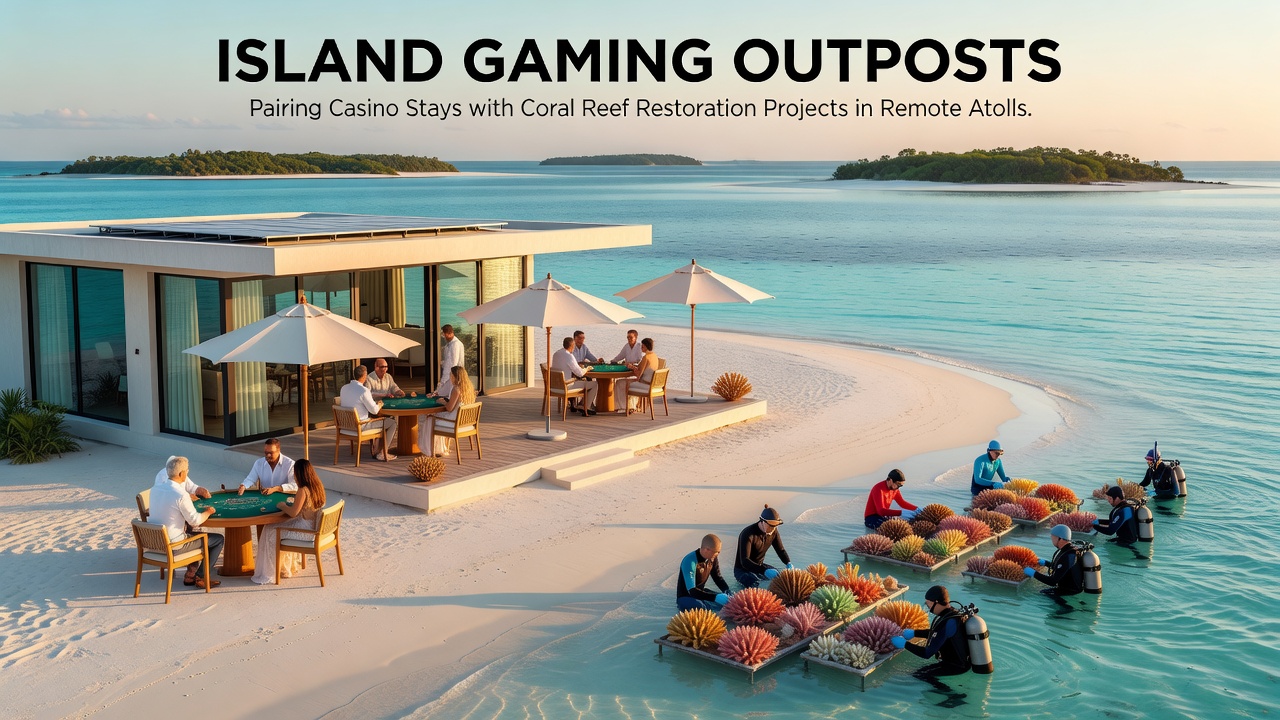
Remote atoll destinations have started integrating casino operations with structured coral reef restoration initiatives, creating a model where gaming revenue directly supports marine habitat recovery in isolated Pacific and Indian Ocean locations; this approach has gained traction since early 2025 as resort operators seek sustainable revenue streams while addressing documented reef degradation rates that exceed 30 percent in several atoll systems according to regional monitoring programs.
Geographic Focus and Project Locations
Operators have concentrated efforts in atolls such as those surrounding the Maldives archipelago and select sites in French Polynesia, where lagoon systems provide natural barriers for both resort infrastructure and restoration nurseries; data from marine surveys conducted through mid-2026 show that paired projects in these areas have transplanted over 45,000 coral fragments since January 2025, with survival rates averaging 68 percent in monitored plots.
Similar developments appear in parts of the Philippines' outer island groups, where local gaming licenses now include mandatory contributions to reef rehabilitation funds; one such site near Palawan recorded a 22 percent increase in live coral cover within two years of combined casino and restoration activity, based on annual assessments by the country's Bureau of Fisheries and Aquatic Resources.
Operational Model and Guest Participation
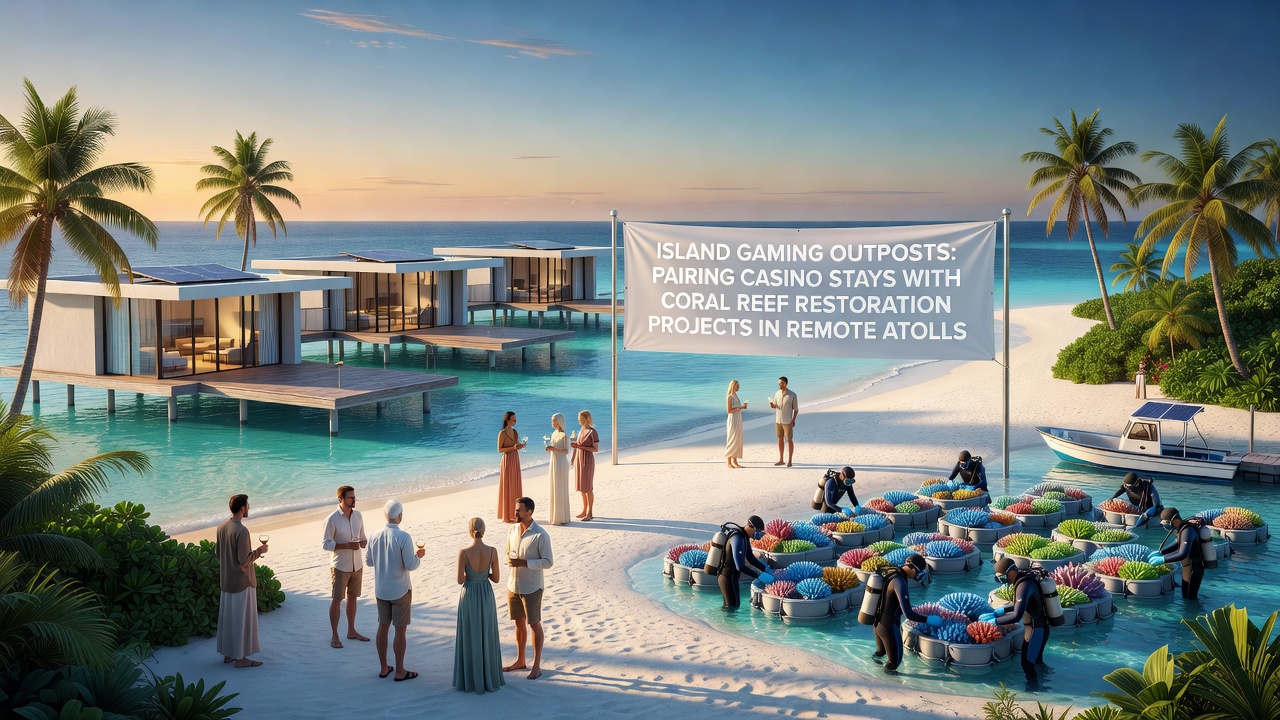
Resort packages typically bundle standard casino amenities with optional or required reef restoration sessions, allowing visitors to assist in coral propagation during morning or afternoon slots while returning to gaming floors in the evenings; schedules align with tidal patterns to optimize planting conditions, and participants receive training from on-site marine biologists before entering the water.
Revenue allocation formulas vary by jurisdiction, yet most agreements direct between 4 and 7 percent of net gaming wins toward restoration equipment, nursery maintenance, and staff salaries; in October 2026 several properties plan to unveil expanded nursery facilities funded through the prior year's gaming cycles, coinciding with regional marine science gatherings.
Environmental Monitoring and Outcomes
Independent monitoring teams track metrics including fish biomass, water quality parameters, and structural complexity of restored reefs; preliminary results released in September 2026 indicate measurable improvements in herbivorous fish populations at three active sites, which in turn support further coral recruitment without additional human intervention.
Researchers from the Australian Institute of Marine Science have contributed remote sensing data that corroborates on-ground observations, showing reduced sediment loads near restored zones compared with control sites lacking restoration components; these findings appear in a joint report prepared with atoll management authorities.
Economic and Regulatory Framework
Gaming authorities in participating jurisdictions require operators to submit quarterly environmental compliance reports alongside standard financial filings; this dual reporting structure ensures that restoration milestones remain tied to license renewals, creating accountability mechanisms that extend beyond traditional tourism metrics.
Visitor data compiled through 2026 reveal that packages incorporating restoration activities maintain occupancy rates comparable to conventional casino resorts, while generating ancillary spending on local supply chains for coral materials and dive equipment; average guest contributions to dedicated restoration funds reach approximately $85 per stay when participation remains voluntary.
Challenges in Implementation
Logistical hurdles include transporting specialized equipment to remote locations and training seasonal staff in both hospitality and marine protocols; supply chain delays during monsoon periods have occasionally postponed nursery expansions, though operators report that contingency stockpiles mitigate most disruptions.
Regulatory coordination between gaming commissions and environmental agencies requires ongoing alignment, particularly when restoration targets intersect with marine protected area boundaries; several jurisdictions have formed inter-agency working groups to streamline permitting processes ahead of planned 2027 expansions.
Conclusion
Island gaming outposts continue to evolve as operators refine methods for linking casino revenue streams with measurable coral reef recovery in remote atoll settings; ongoing data collection through late 2026 will clarify long-term viability, while current figures demonstrate that structured integration produces both environmental gains and stable operational outcomes across multiple sites.