When Gaming Tables Meet Farm-to-Table Trails: Mapping Seasonal Harvest Festivals Around Midwest Riverboat Stops
Written by Willa Roth · Sep 25, 2026
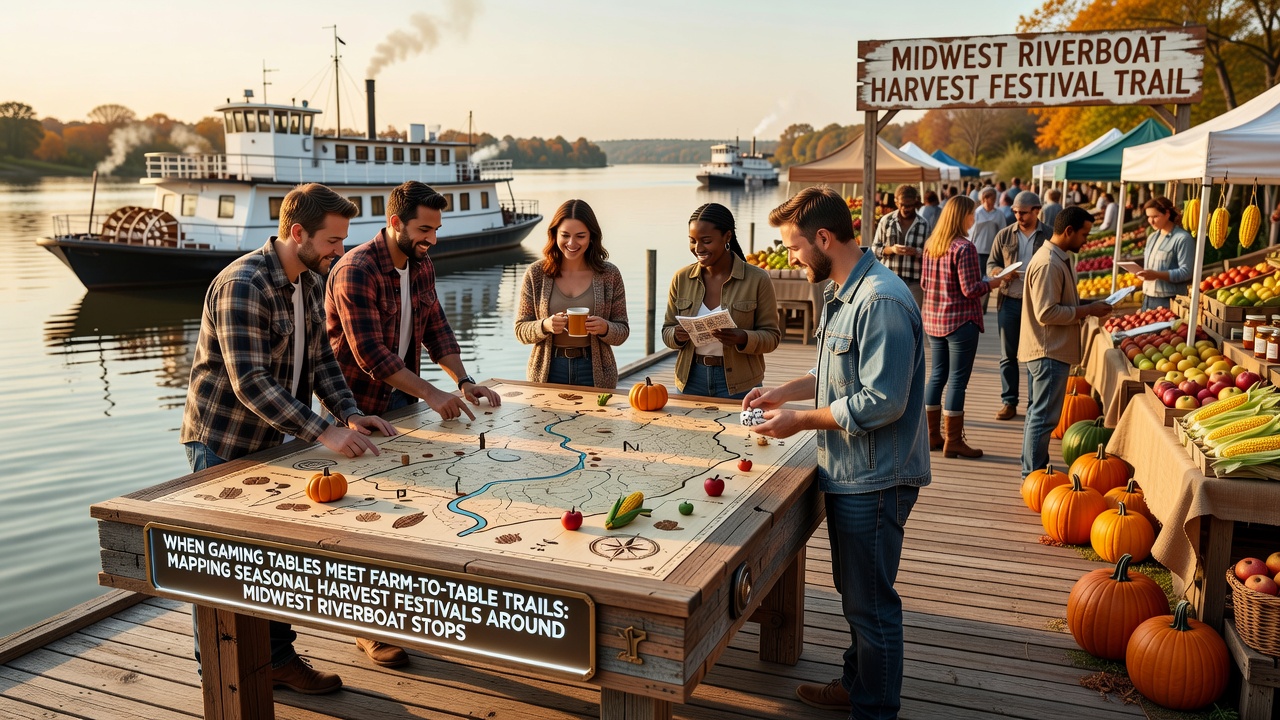
When Gaming Tables Meet Farm-to-Table Trails: Mapping Seasonal Harvest Festivals Around Midwest Riverboat Stops
Riverboat casinos positioned along the Mississippi and Illinois Rivers draw steady crowds throughout the year, yet their appeal expands when harvest season arrives and nearby communities open farm-to-table trails that showcase seasonal crops. Data from state tourism records shows increased foot traffic at these stops during September, when pumpkins, apples, and late corn reach peak availability in the region. Observers note that operators in places like Alton, Illinois and the Quad Cities area coordinate promotions with local agricultural events, creating itineraries that blend table games with visits to nearby orchards and markets.
September 2026 marks another cycle of these overlapping calendars, with riverboat stops in Missouri and Iowa preparing schedules that align gaming hours with festival timings. Figures from the Missouri Department of Agriculture indicate that harvest events in counties adjacent to riverboat landings attract thousands of additional visitors each fall, many of whom extend their stays to include casino properties. Those who track visitation patterns report that participants often combine morning market tours with afternoon gaming sessions before returning to trails for evening tastings.
Riverboat Stops and Their Agricultural Neighbors
Properties such as the Argosy Casino in Alton sit within short drives of several working farms that open public trails during harvest periods. Similar setups appear in Bettendorf and Davenport, where riverfront gaming facilities operate near community-organized events featuring local produce. Researchers at regional universities have mapped these connections, revealing clusters where river access and farmland converge within a 30-mile radius. The result creates compact circuits that visitors follow without needing extensive travel between locations.
Transit options include both river shuttles and local roads that link casino parking areas directly to festival grounds. Data indicates that September weekends see the highest overlap, as farmers markets extend hours to accommodate evening arrivals from gaming venues. One study conducted by the University of Illinois tracked visitor flows and found measurable increases in combined participation when events run concurrently.
Seasonal Harvest Events and Timing Details
Harvest festivals in the Midwest typically open in late August and continue through October, with September serving as the central month for apple picking, corn mazes, and pumpkin festivals. Organizers in counties surrounding riverboat stops publish calendars that list exact dates and hours, allowing casino guests to plan accordingly. Evidence shows that many events incorporate farm-to-table dinners sourced from the same fields that supply the trails, creating a direct link between agriculture and visitor experiences.
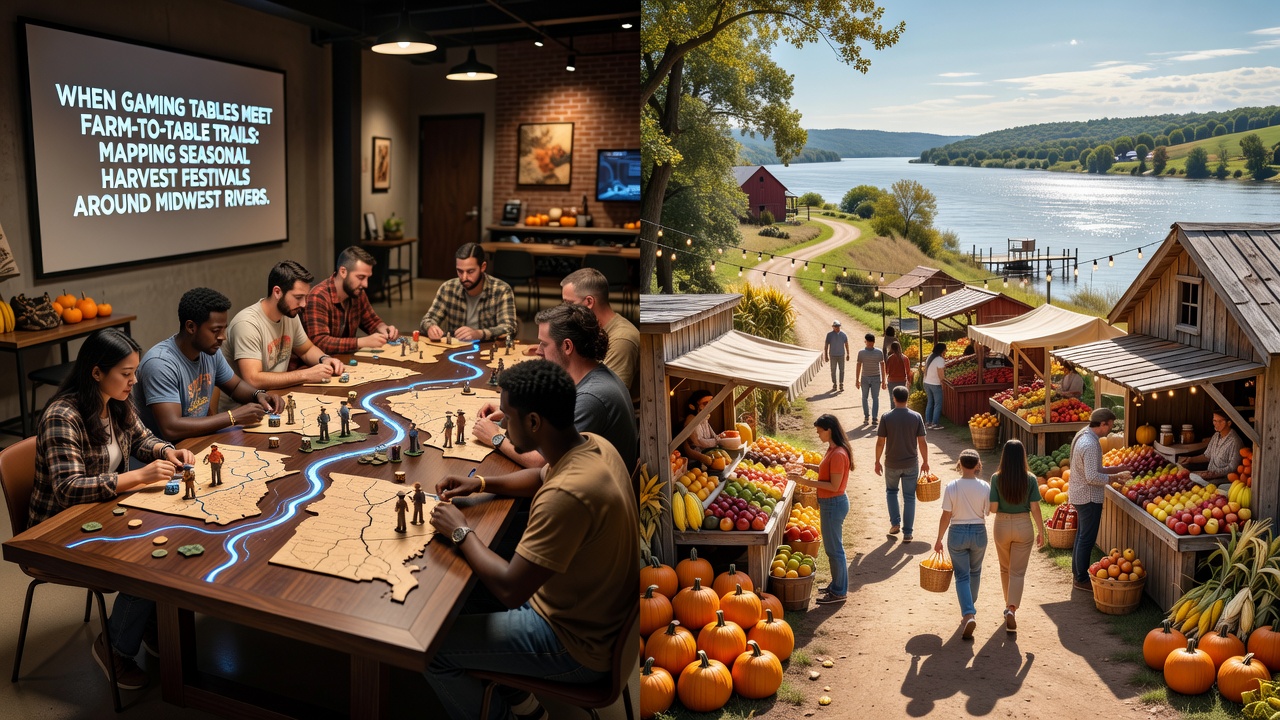
Local agricultural departments release annual reports that detail crop yields and event participation numbers. These reports highlight how festivals near gaming locations benefit from the steady influx of out-of-town visitors who arrive via riverboat routes. In 2026, projections from state agencies point to continued growth in combined attendance as more properties promote cross-visits through shared marketing materials.
Mapping Practical Itineraries
Travelers can follow established routes that start at riverboat landings and extend into surrounding farmlands using both public transit and designated scenic drives. Maps produced by regional tourism boards mark key stops, including specific orchards and markets that accept reservations tied to casino loyalty programs. Observers who have reviewed these maps note that distances remain manageable, often under 45 minutes between a gaming table and a harvest trailhead.
September schedules feature repeated patterns where morning agricultural tours precede afternoon gaming and evening returns for food events. Records from participating farms show higher reservation rates during these coordinated periods compared to non-festival weeks. The structure allows visitors to experience both environments without overlapping conflicts in timing.
Integration of Local Produce and Gaming Venues
Several riverboat properties have begun sourcing ingredients for on-site restaurants from the same farms that host public trails. This practice appears in menus that rotate according to harvest availability, with September offerings frequently including items such as squash, apples, and root vegetables. State health department inspections confirm compliance with sourcing standards, while visitor logs reflect steady demand for these seasonal options.
Partnerships between casino operators and agricultural cooperatives have expanded in recent years, supported by data that shows mutual benefits in attendance figures. External reporting from the USDA tracks how regional farm events contribute to broader tourism metrics when located near established entertainment venues.
Conclusion
The alignment of Midwest riverboat stops with nearby harvest festivals creates measurable patterns of combined visitation that continue into September 2026. Records from state agencies and agricultural departments document the connections through attendance data, crop calendars, and mapped routes that link gaming facilities with farm-to-table experiences. These overlaps rely on consistent timing, accessible transit, and shared sourcing practices that keep both sectors active during peak fall months.